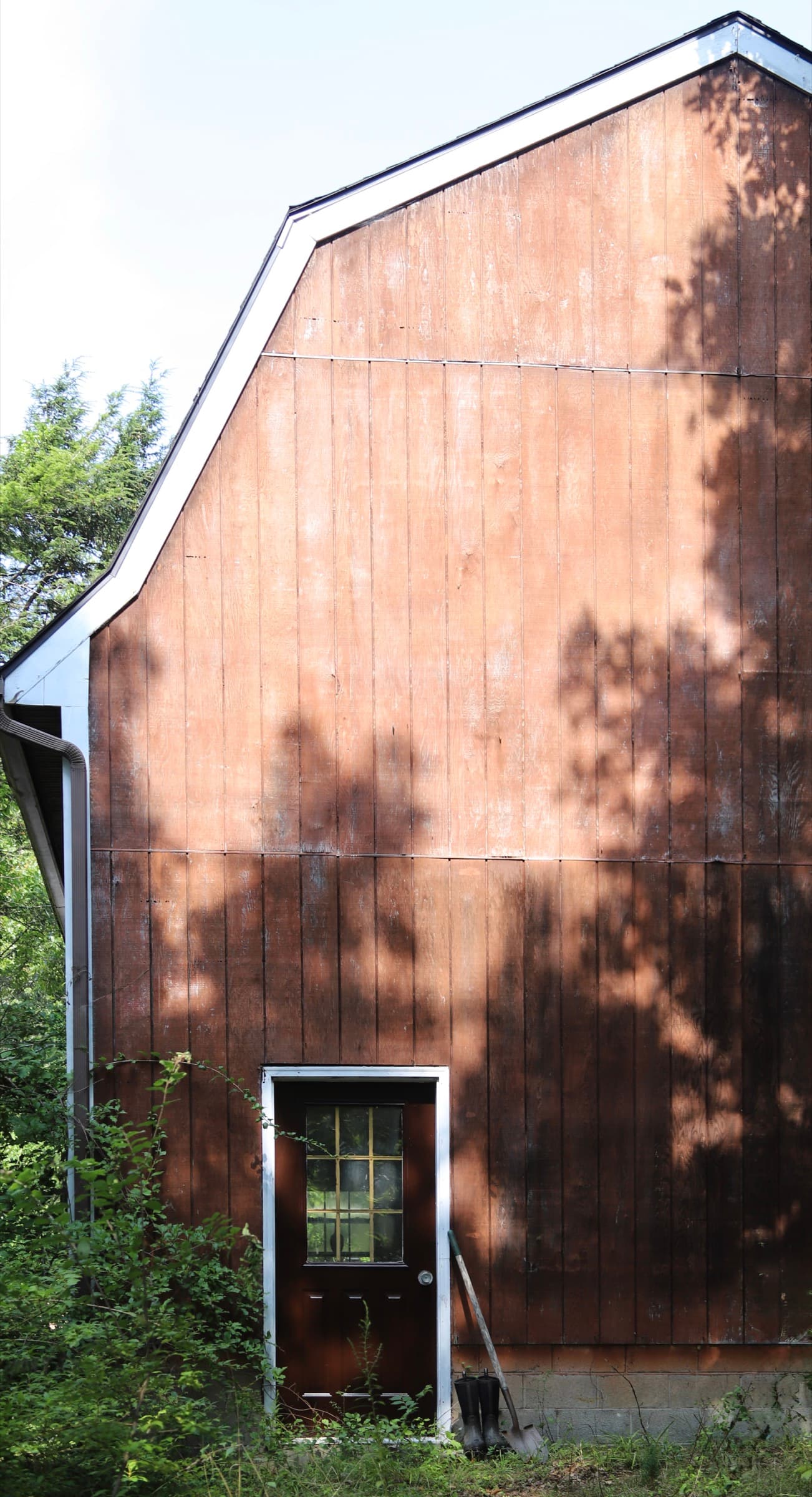
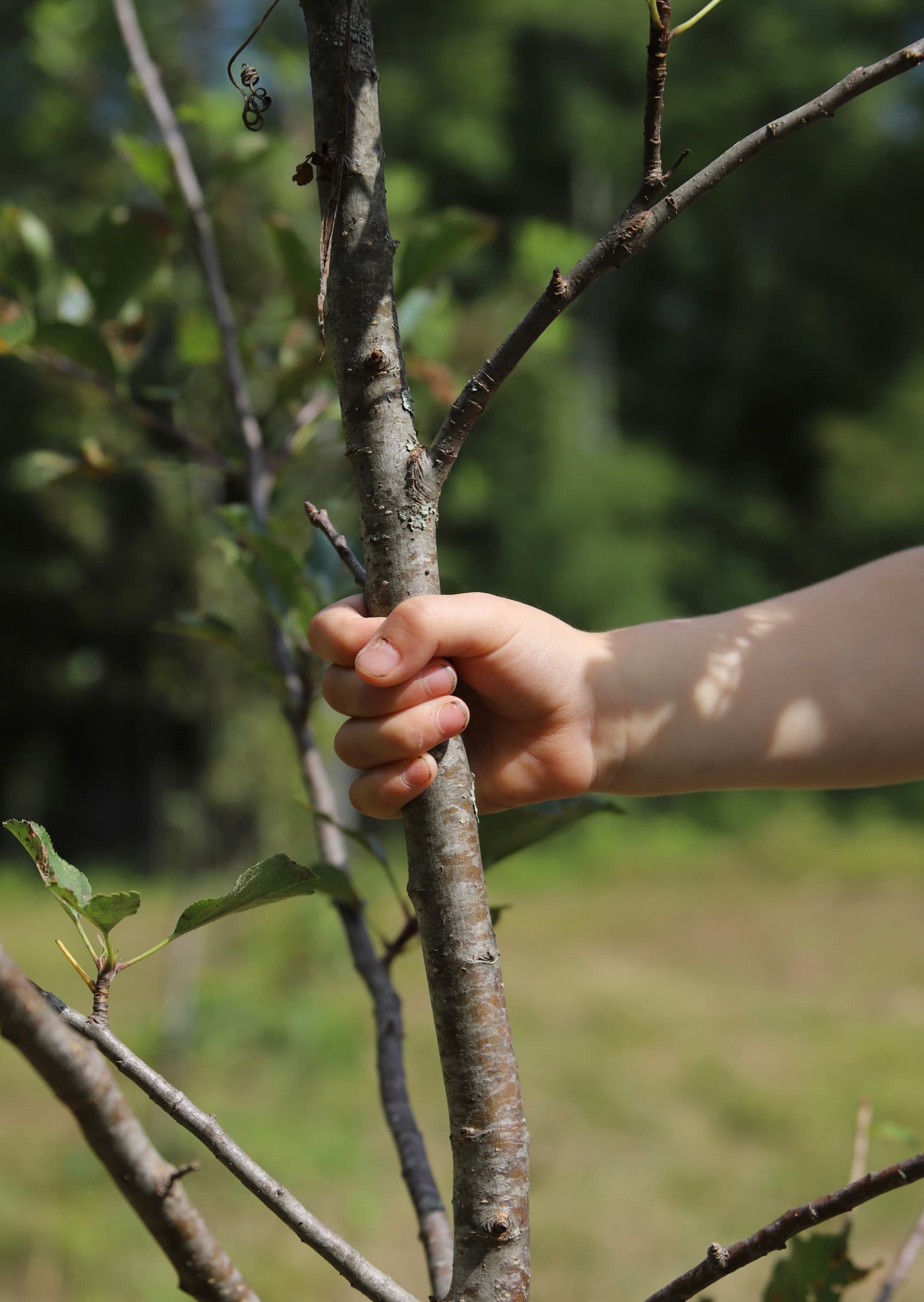
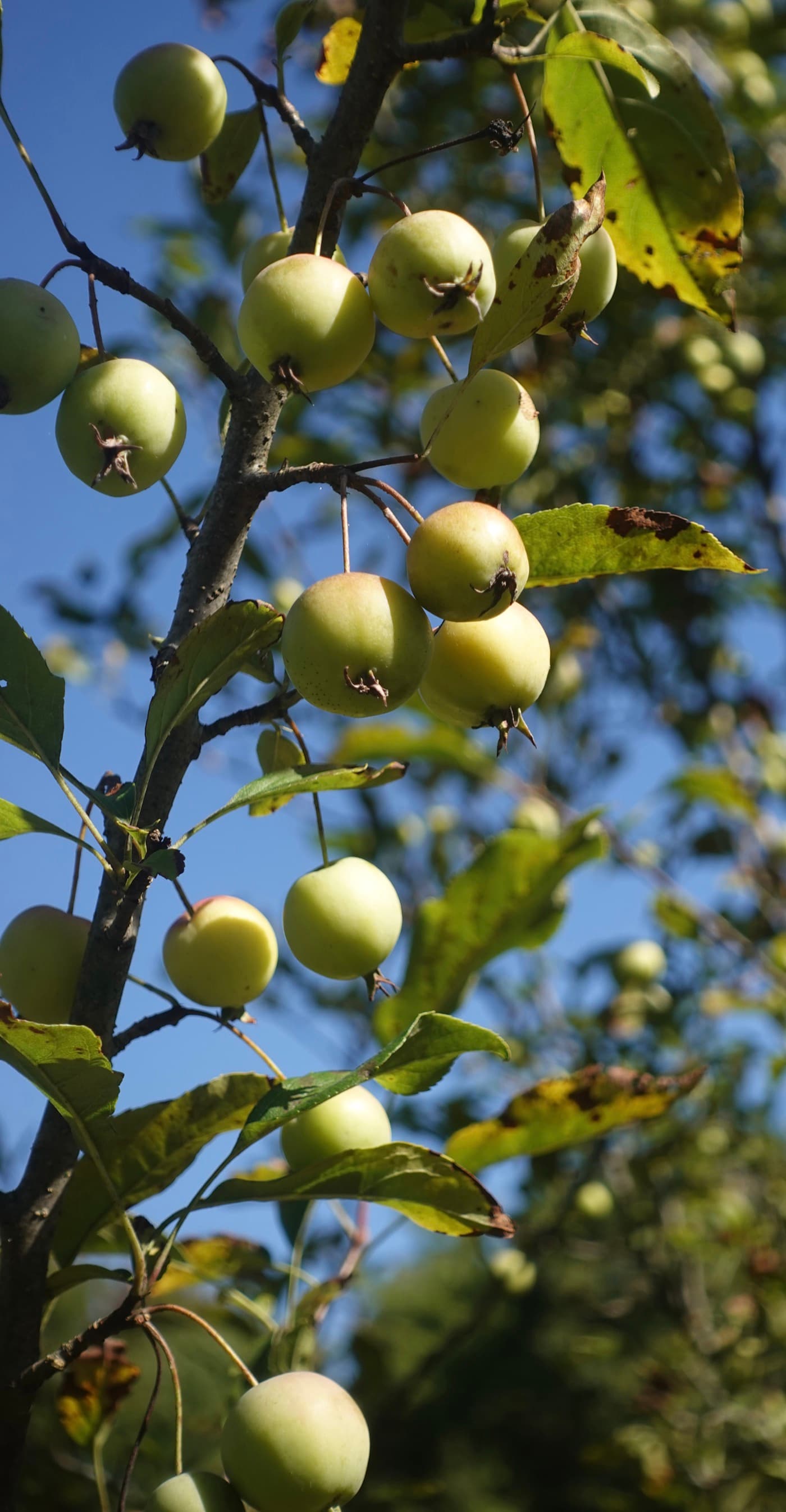
Our 2-acre orchard is located in the Zena Highwoods, where we began planting one tree at a time back in 2019. Each tree has been lovingly planted, tended to and harvested by us. Our focus is rare and heritage varietals with other fruit trees and perennial fruits interplanted. We were drawn to planting the lesser known varietals that are prized for their use in cider. Today, our orchard is home to a diverse collection, including some with rather unusual names, such as Kingston Black, Esopus Spitzenburg, Chisel Jersey and Cox Orange Pippin, to name a few.
As New York natives, the apple has always been woven into the fabric of our lives. New York State is the second-largest apple-producing state in the United States. The Hudson Valley is one of New York’s major apple-growing regions. But even more interesting, Ulster County, where we call home, is one of the top apple-producing counties in the entire United States. According to Cornell’s Ulster County agricultural profile, our county has more than 4,000 acres of bearing apple trees and we love contributing our small part of it.
the cider
1 / 2
a bit of history
We’re making unfiltered traditional farmhouse cider inspired by America’s cider-making history, and our region's tradition of everyday “table wine.” When we say cider, we’re not talking about the colloquial term for unfiltered fresh apple juice, nor the canned, sweet, and force-carbonated drink that a lot of Americans have grown accustomed to. We mean fermented apple juice. Our cider is dry, and conditioned in the bottle until it has developed a style of carbonation known as pétillant naturel (what the French call “naturally sparkling”). It is akin to a sparkling white wine but rather than using grapes, we prefer to use our home state’s best known fruit: the apple.
New York State has a long history of not only growing apples, but making this type of cider and drinking it at their own tables. Early farms in Ulster County planted small orchards because apples were considered an important staple for both food and drink. Cider was made from whatever apples the farm had available. It was an everyday beverage known and loved in farming communities and it wasn’t seen as a specialty but as a reflection of that year’s harvest. An established farmer might put up 20 to 50 barrels each fall, and by around 1780, the Hudson Valley was described as having "apple orchards aplenty," producing apples, cider and even apple whiskey. Cider was part of the rhythm of farm life, made from the harvest and enjoyed at home or sold along the Hudson River when there was more cider than a family needed. Over time, the apples remained, but cider largely disappeared from the culture. Orchards shifted towards varieties grown for eating, and cider apples became less common, and the knowledge of making cider began to fade with them. It’s this lost tradition that we are interested in bringing back to the center of the table.
our approach
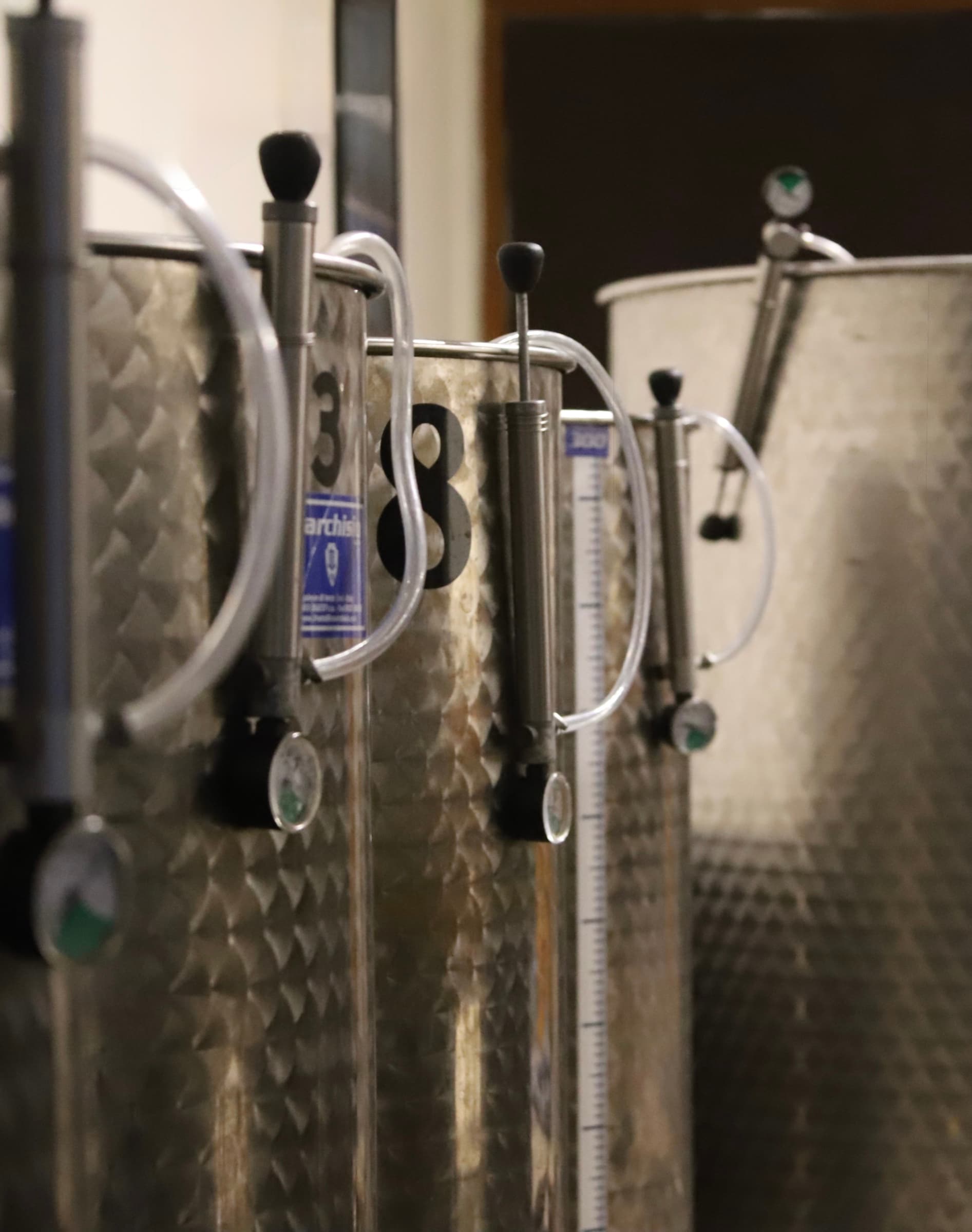
Our nano-cidery is intentionally small. We ferment a blend of apples grown and gathered locally on our family orchard and neighboring farms. We have learned to make cider in a low-intervention way, and are still learning with each new vintage. Every batch is made and bottled on a small scale, with a focus on the apples grown right here in the Hudson Valley.
Our goal is to help inspire a renewed appreciation for traditional cider while making the drinks we produce approachable and reasonably priced. Like the cider makers and orchardists before us, we’re here to celebrate each year’s harvest and the fermentation it brings.
Rather than formulating, we follow the apples that we have. This means no two batches can be the same. Each bottle may smell, taste or look slightly different. These variations are the aspect of this process that is most exciting to us, and we hope it will be for you too!
locality
Similar to eating local honey, we feel drinking locally made cider carries the story of the life of the apple and the environment it calls home. The Hudson Valley remains one of New York’s largest apple-producing regions, yet when we think of a bottle to bring to the table, we often reach for wine. Why not cider?
Whether you’re celebrating a big life event, sharing a glass over conversation with friends or pairing it with your dinner, we want our cider to be a comforting companion for all of your days. Back in the day, almost every town had their own cider mill, and we want to be yours!
csa
Our first CSA is now open! Become a founding member and taste our first ever vintage!
For those of you who don’t know, CSA stands for Community Supported Agriculture. At its heart, it’s a direct relationship between a farm and the community that supports it. CSA members support the farm at the beginning of the season and, in return, share in that year’s harvest. As cider makers, we’re approaching cider with that same mindset.
Having a community of CSA members helps us plan our production and support the growth of our orchard and cidery. As a member, you’ll receive our cider at a discounted rate and experience the orchard and cider-making process alongside us, with opportunities to gather throughout the year for fun and informative events like waissailing, bottling and tastings. Our first vintage will spend the winter aging and is expected to be ready to share in early summer 2027.
We’re excited to share our first bottles of cider with the people who have been cheering us on, and with those who are just discovering us for the first time.
Loading checkout…
contact
Reach out with questions about our cider or csa, wholesale inquiries, or just to say hello.
The farm is not open for regular visits. Join our mailing list for cider releases, csa and pickup updates, occasional gatherings, and future events.